
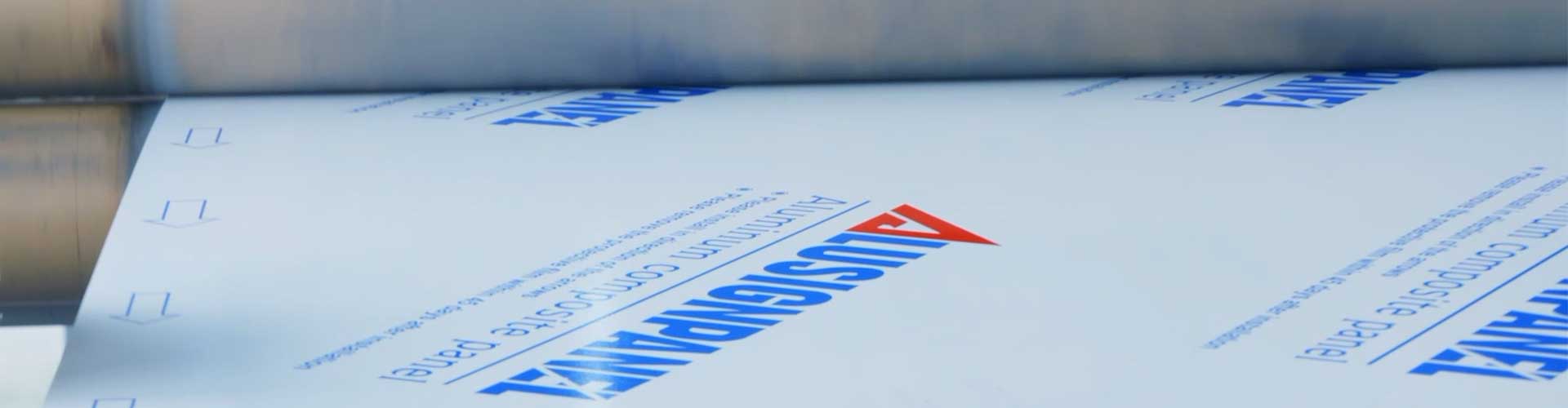
Aluminum composite materials are a class of advanced, multi-phase materials consisting of an aluminum or aluminum alloy substrate combined with other materials of different properties. Through the synergistic effect between the matrix and the reinforcement, these materials achieve a combination of high-performance characteristics that cannot be attained by aluminum alone. This innovative material offers a blend of strength, versatility, and aesthetic appeal, making it highly popular across a wide range of applications.
This article explores what aluminum composite materials are, examining their classifications, advantages, and fields of application, to help you gain a better understanding of this material category.
What Are Aluminum Composite Materials?
Aluminum Composite Material (ACM) consists of three primary components: two thin aluminum sheets and a plastic core. The core can be made from various materials, such as polyethylene, a fire-resistant mineral-filled compound, or other specialized substances. These layers are bonded together through a lamination process. This unique structure gives ACM panels a lightweight yet robust nature, along with excellent durability and thermal efficiency. The aluminum layers provide strength and corrosion resistance, while the core imparts a degree of flexibility and reduces the overall weight.
Classifications of Aluminum Composite Materials
Aluminum-Based Structurally Reinforced Composites
These materials utilize an aluminum or aluminum alloy matrix reinforced with ceramic particles (such as silicon carbide or aluminum oxide), fibers, or whiskers. Based on the form of the reinforcement, they can be further categorized into fiber-reinforced, particle-reinforced, and whisker-reinforced composites.
Aluminum Composite Panels for Architectural Decoration
These panels feature two outer layers of aluminum coated with a fluorocarbon finish, with a mineral-based, fire-retardant core in between. Representing an evolution of standard aluminum composite panels, these architectural-grade panels typically have a total thickness of 4 mm, with 0.5 mm thick aluminum layers, and can achieve an A2 fire rating.
Functional Aluminum Composite Films
These are multi-layered structures created by laminating aluminum foil with plastic films. A typical configuration includes layers of nylon, aluminum foil, and polypropylene, providing high barrier properties, moisture resistance, and oxygen protection.
In addition to these, there are aluminum-stainless steel composite panels, aluminum-copper composite busbars, aluminum honeycomb composite panels, and aluminum foam composites—all custom-developed for specific industrial applications.
Advantages of Aluminum Composite Materials
All types of aluminum composite materials retain the lightweight advantage of aluminum, while utilizing composite processes to overcome the performance limitations of the metal on its own.
High Strength-to-Weight Ratio: Despite being extremely lightweight, they offer significant structural strength and impact resistance.
Design Flexibility and Formability: Easily processed on-site, these materials allow architects to create complex curved shapes, custom angles, and modern, geometric-style facades.
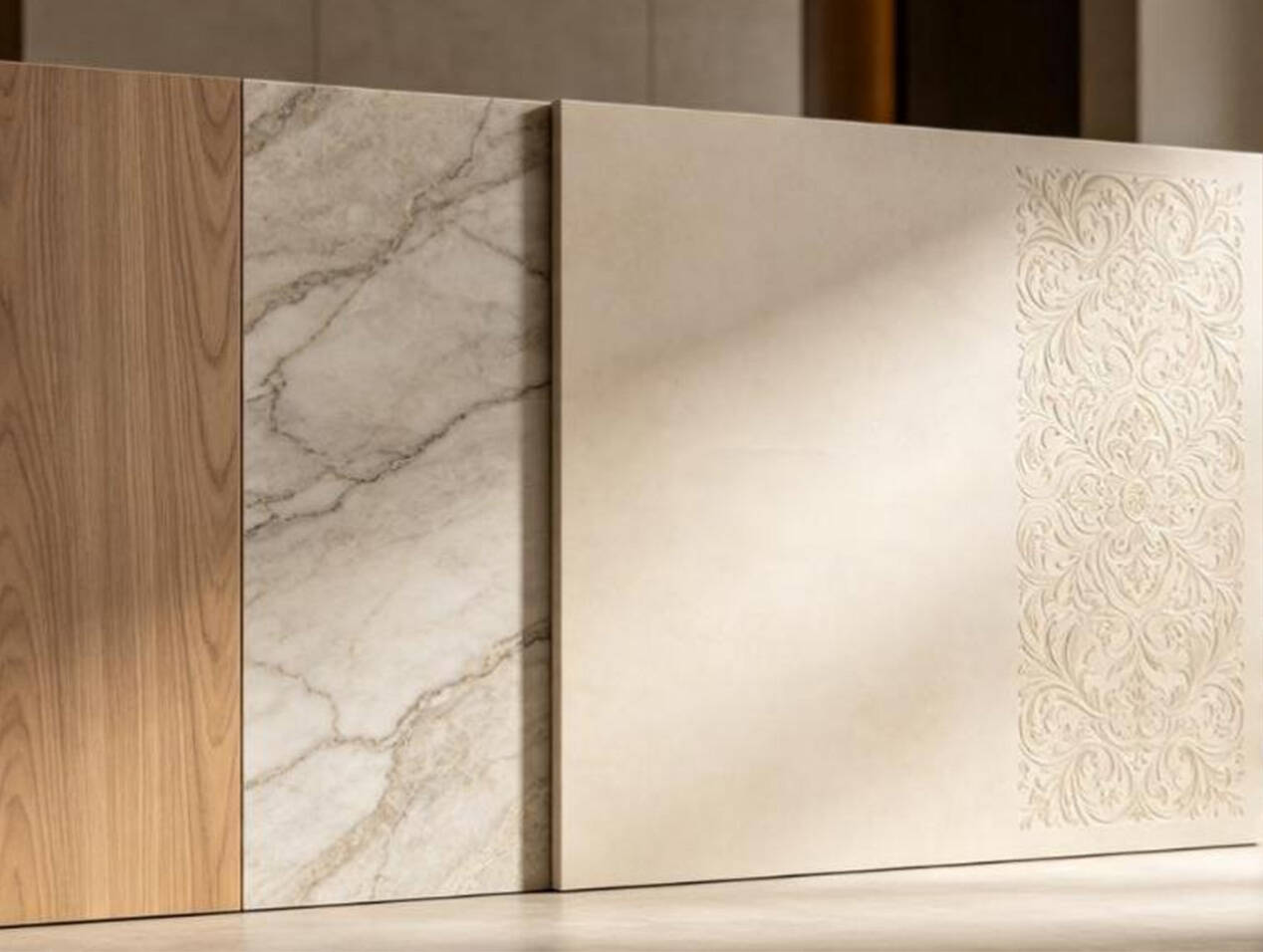
Exceptional Aesthetic Value: Available in a wide range of colors and finishes—including high-gloss or matte surfaces, metallic textures, and patterns such as wood grain or marble.
Thermal and Acoustic Insulation: The core material helps reduce heat transfer, thereby improving building energy efficiency, while also effectively blocking external noise.
Cost-Effectiveness: Their low weight reduces labor costs for transportation and installation; furthermore, their stain-resistant surfaces require virtually no cleaning or repainting throughout their service life.
Applications of Aluminum Composite Materials
Architectural Design
Aluminum composite materials are widely used in architectural facades, the renovation of existing buildings, and interior ceiling systems. They are frequently employed for feature walls, partitions, and ceilings. With a diverse array of colors, finishes, and textures, these materials empower designers to realize unique, eye-catching concepts that enhance the overall atmosphere of a space.
Signage and Advertising
Aluminum Composite Panels (ACP) are a staple in the signage industry. Their flat, smooth surfaces provide an ideal canvas for vibrant graphics and logos. Lightweight, strong, and corrosion-resistant, ACP is easy to transport and install, making it a popular choice for indoor and outdoor signage, billboards, and construction hoarding.
Retail Displays
Aluminum composite materials also excel in the retail display and furniture sectors, where they are frequently used to craft products with a sleek, modern aesthetic. From tables and shelving units to display racks and cabinetry, aluminum composite materials offer a combination of durability, versatility, and a modern aesthetic.
Industrial Applications
Thanks to their excellent chemical resistance, corrosion resistance, and fire-retardant properties, aluminum composite materials are widely used in industrial settings. They are employed for exterior wall cladding on industrial buildings, the construction of cleanrooms, and the fabrication of laboratory cabinetry. In demanding environments, these materials provide superior protection and durability, while remaining easy to maintain.
Conclusion
With their numerous advantages, aluminum composite materials serve as highly versatile materials for a wide range of applications. Please feel free to contact us if you would like to learn more.
-
Add:No.228, Weisan Road, Yueqing Economy Industry Zone, Wenzhou city, Zhejiang province, China. Zip code : 325600
-
Tel:+86-577-62999101
-
Fax:+86-577-62999102